Just to
the north of Bassenthwaite lake lies Messengermire Wood. Who the
messenger was, and whether he got sucked into the mire, is a tale I've yet to uncover, but there's a story lurking behind the name
somewhere. It's certainly very damp in places, after the recent
rains, but oh, what a glorious aroma as you disturb the fallen
leaves.
The
track that leads into the wood is bounded on both sides by ancient
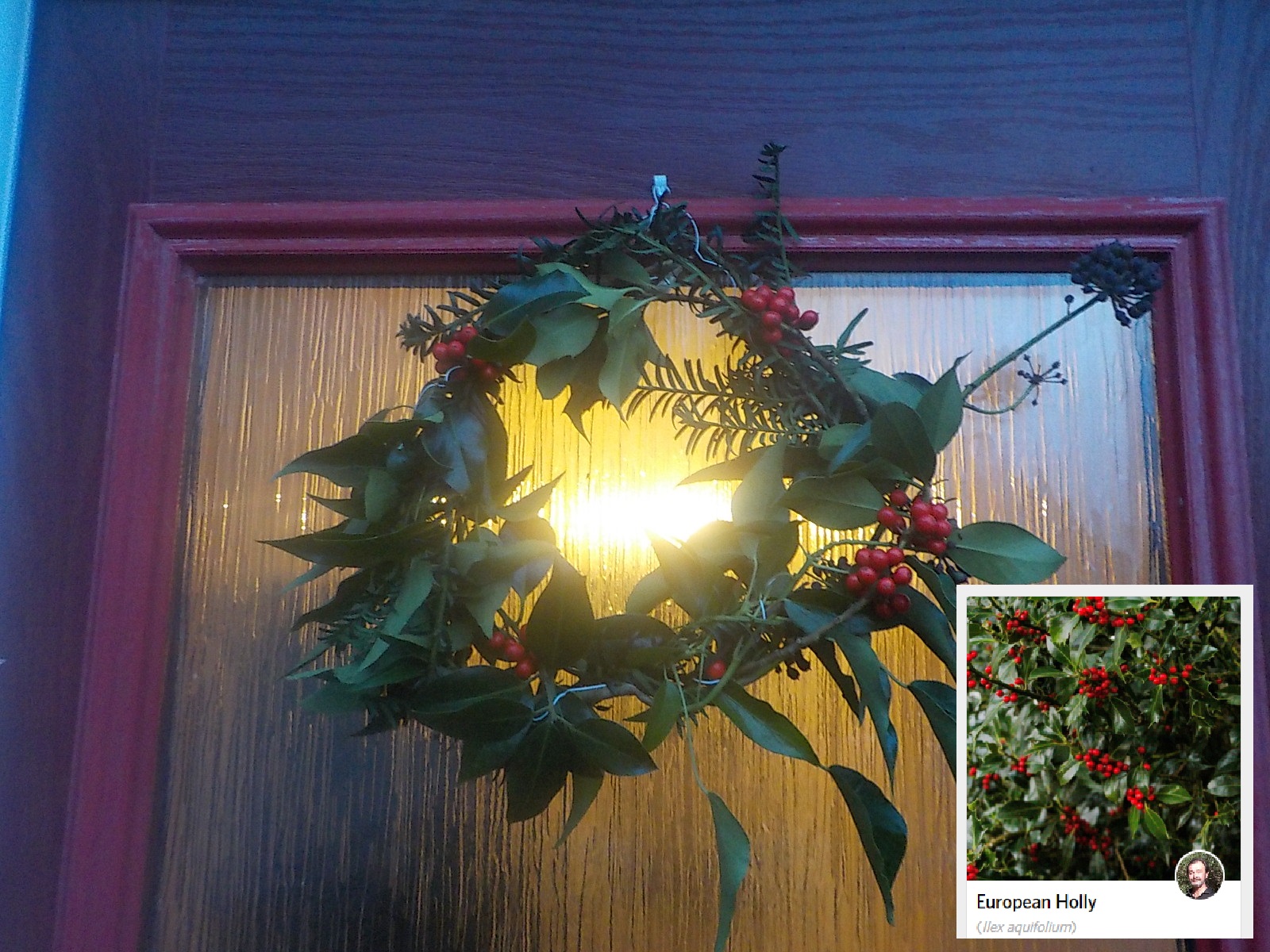
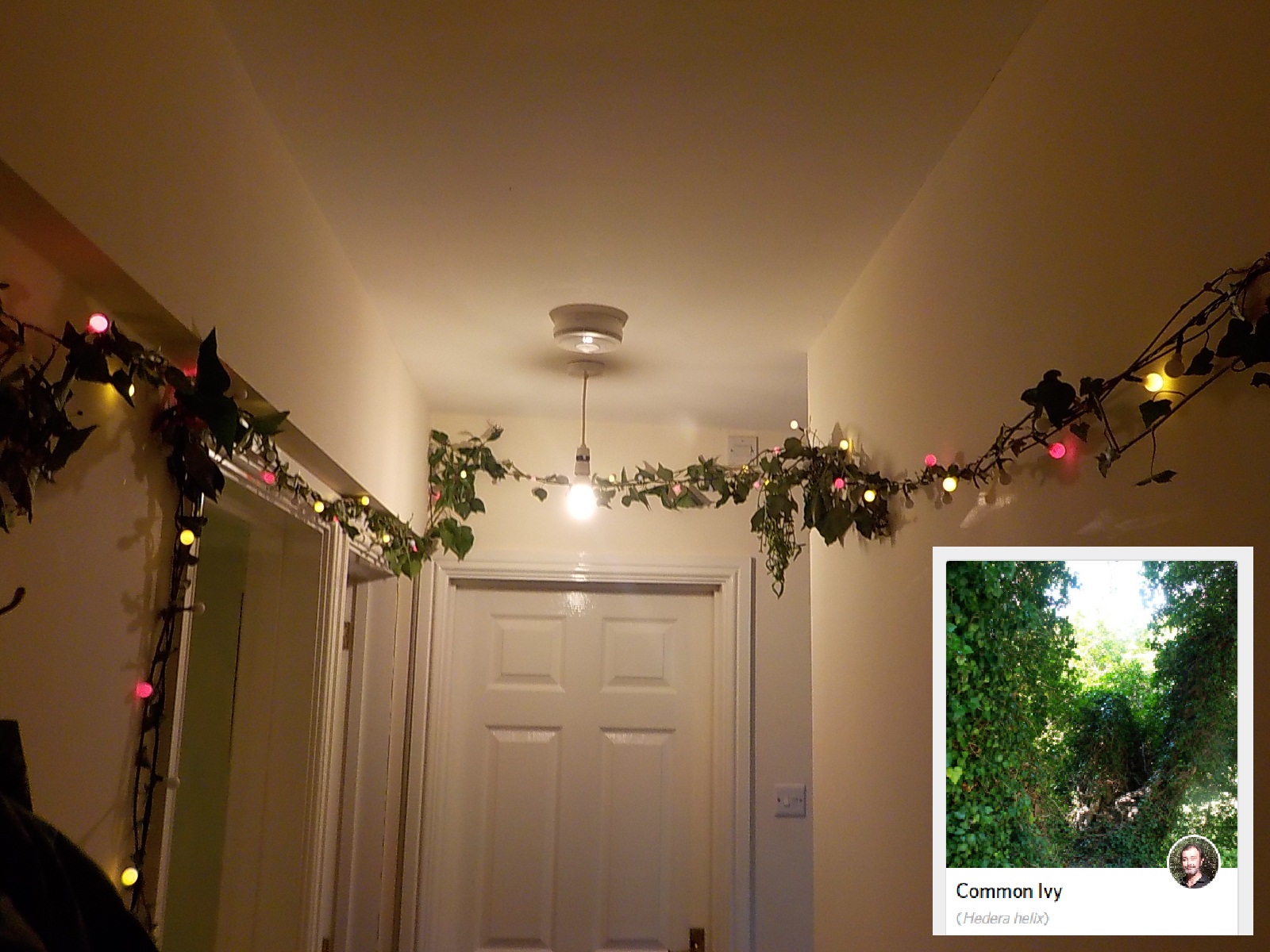
hedgerow. It's a foragers paradise. Plenty of holly and ivy for the
festive decorations next month (cheaper, nicer, and much more fun to
put up, than imported tat from the far east). The buckthorn is still
laden with sloes (just about time to steep your sloe gin, if you
haven't already done so). There are crab apples too. Apart from the
traditional crab apple jelly, you can steep these in vodka, the same
way you make sloe gin, or they're the perfect size for making toffee
apples. A nice treat for bonfire night, this weekend?

But let
us continue into the wood. We'll avoid the mire by sticking to the
higher ground. There are mushrooms galore in here, but the one I want
to introduce you to today, is Chicken-of-the-Woods, because it's a
nice, easy to identify, tasty mushroom. Look for it growing out of
dead, or dying, trees, particularly oak, for which it has a fondness.
This one is past its best, and beginning to fade. When young, they
are a rich golden orange. As you can see, they form overlapping fans.
There are many similar looking 'shrooms, but look underneath. There
are no gills. It has tubes instead. The only similar fungus, with
tubes instead of gills, that I know of, is Dyer's Polypore. However,
this sticks pretty well exclusively to pine trees, which
Chicken-of-the-Woods rarely does. If you do happen to get the wrong
one, Dyer's Polypore isn't poisonous, but tastes horrible,
apparently. One last thing about Chicken-of-the-Woods: you can't eat
it raw. It must be thoroughly cooked. It's very good, sautéed in
butter. As with all foraging, don't stuff yourself full of it on
first go, you may have a personal adverse reaction to it. Try a
little first and see how you go.

And one
final foraging note. We didn't find any Sweet Chestnut trees in
Messengermire, but Ishbel collected a nice basket full, from our
local tree, whilst taking Mattie out for her early morning walk the
other day. Did you know, Mattie has her own page? Mattie's
Diary
All the best,
Steve
Christmas is coming. Books are easy to
wrap and easy to post. This is ideal for any budding naturalist. Age
range 5-95!

|
 |
Beetles and Butterflies;
spiders and scorpions; woodlice and worms. How do you tell them
all apart? To say nothing of crane flies, dragonflies, bee flies
and yet more butterflies. Are they all flies? If not, why call
them so? If you're fascinated but confused by the beautiful world
of the very small, then this is the book for you.
82 pages of information on all
aspects of the world of minibeasts, with over 100 photographs and
illustrations, this book will help you track down and identify any
arthropod, in its adult or juvenile state, anywhere in the world.
See
all of my books at author.to/SteveDaniels
|
Follow me on Steve's
Nature Plus
and also on
Steve's
Nature
Steve
Daniels Naturalists
Steve
Daniels Cumbria