Showing posts with label holly. Show all posts

Wednesday, 21 December 2022

Happy Yuletide


At 9.47 GMT this evening it will have been dark, here in Cockermouth, for about six hours. All across the northern hemisphere, it is the longest night of the year, as the sun reaches its lowest point, directly over The tropic of Capricorn. It also marks the beginning of Yuletide, twelve days of convivial merriment and good natured mischief, to acknowledge the onset of winter and look forward to the coming of longer days and shorter nights.
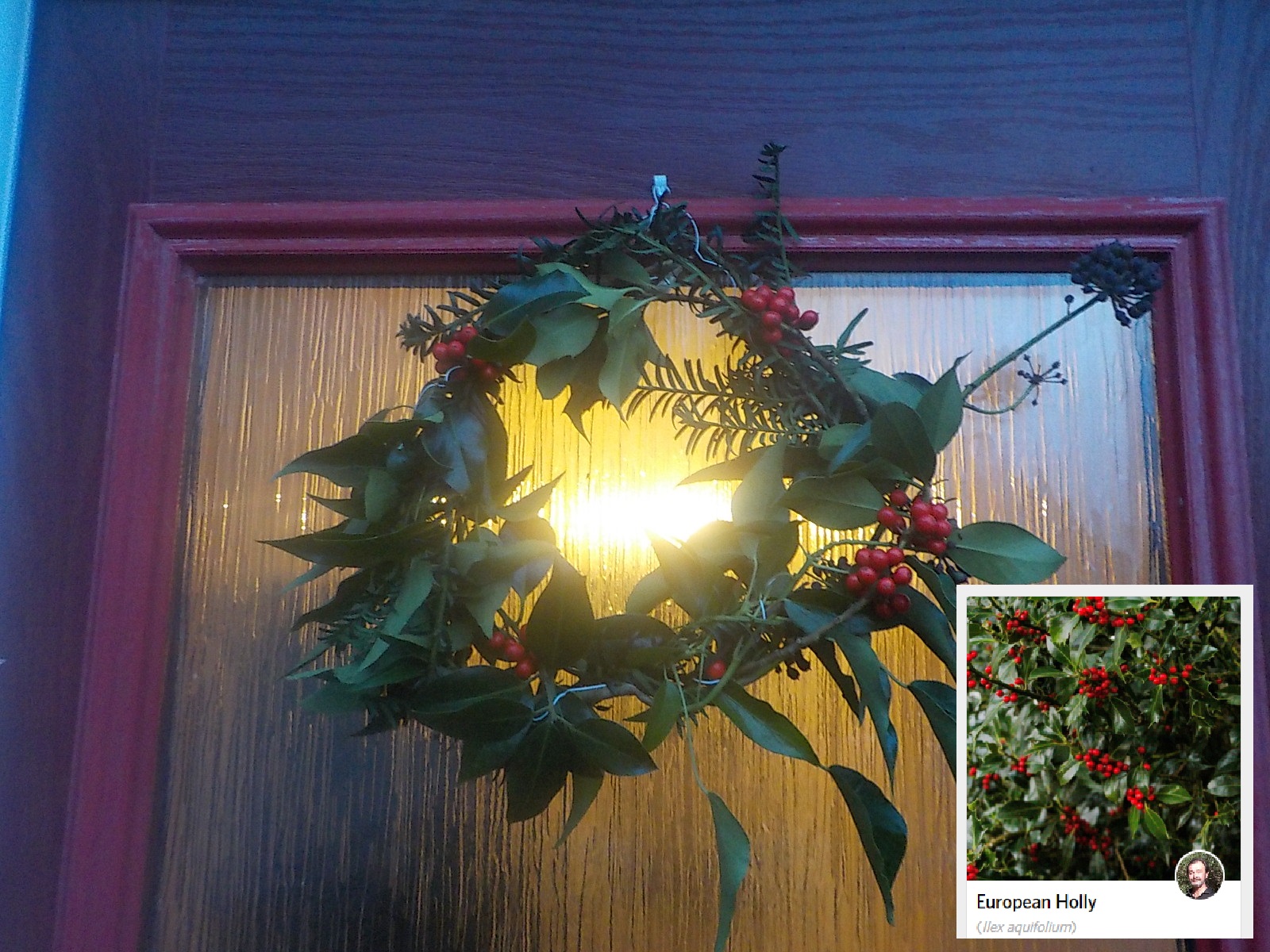


It is also the day when I traditionally decorate my abode with lights and herbage from the hedgerows. The holly and the ivy have been used since pagan times to ward off evil spirits, which is why we put a wreath containing these plants upon the front door.
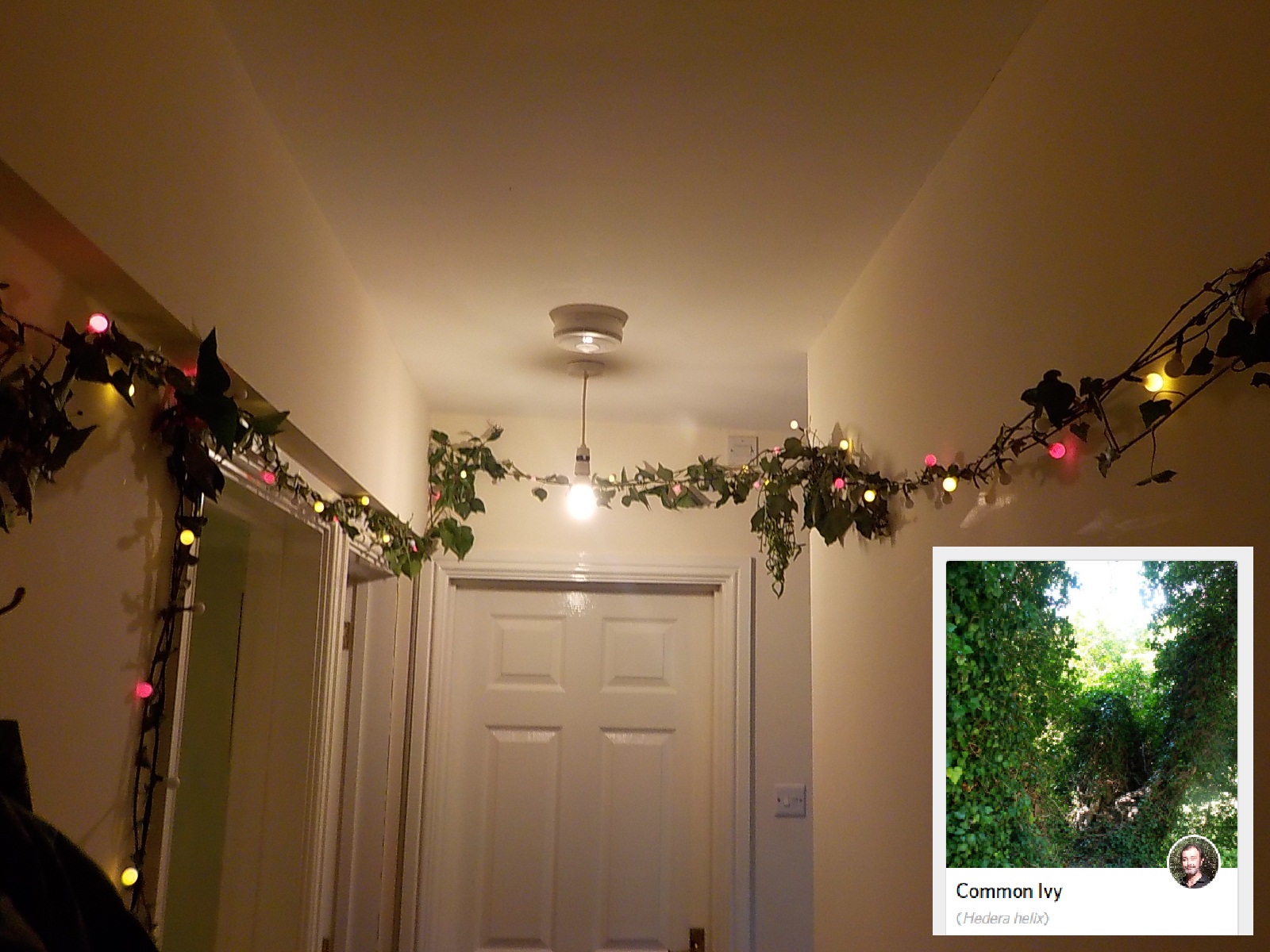


Ivy, in long strands, when wrapped around a string of lights, makes a highly effective decoration. It is also cheaper, and more environmentally friendly, than shop bought chains imported from the far east.


Similarly, small conifer sprigs and cones can be used for simple, yet effective, centrepieces.


And finally, where would we be without the mistletoe? Mistletoe features in many winter mythologies, but the practice of kissing under it probably only dates from the 18th century. Below stairs, servants were permitted one kiss for each berry plucked from the plant.


Happy Yuletide,


Steve

Thursday, 2 January 2020

2O2O Vision


The Crete Nature Blog is back... but with a difference. It may not always be coming from Crete. So maybe it should be renamed The Crete Plus Nature Blog. Life is a-changing for me at the moment and this coming year is going to be a bit of an adventure, mainly because I haven't got a clue what's in store but I have a feeling that there may be some dramatic and abrupt changes. Watch this space!


But what better way to start the year than a walk in the English countryside on a bright and frosty morning?


This is Wordsworth country; Cockermouth in Cumbria and along the roadside verges a 'host of golden daffodils' are showing their first shoots through the frozen soil ready to burst forth in the first days of Spring.


The trees that will bring a shady green canopy against the hot summer sun show intricate patterns of denuded branches against a Forget-Me-Not sky.


This far north, 54.7°, the morning sun is very low in the sky and illuminates the moss on this branch overhanging Bitter Beck at an oblique angle.


Whereas here, in this little copse the sunlight hardly penetrates at all and eldritch faces grin down from the sylvan gloom.


But let us return now to a warm fire and a hot cup of tea and pause a while en route to look at two of the symbols of the Yuletide just passed. The holly in full berry sustaining the birds through the rest of the winter. They prefer sweeter berries but blackbirds, waxwings, thrushes and robins will all partake.


And talking of the Robin, a more recent symbol of Christmas as opposed to Yule, here is one perching in somebody's front garden.

The daffodils, the trees, the birds and even the hot cup of tea that we are going home to drink wouldn't be here without the insects and their allies. So this year let us look after our creepy-crawlies, as they have been looking after us throughout our entire existence. If they go, we go. It's as simple as that and what better way to start than getting to know a little bit about the magnificent world of the very small? A complete overview of this often overlooked but vital part of our lives can be found here: https://www.amazon.co.uk/dp/1694436756


Crete Nature Catch-up


Sunday, 5 November 2017

Steve's Nature Quiz #23

In last week's #CreteNature blog we found a beautiful ivy hedgerow buzzing with life. Ivy has been associated with the Winter solstice since pagan times but in Germany they traditionally tie it to the outside of a church. Is this to protect it against

a) the devil

b) lightning

c) witches


Somewhat surprisingly the answer is lightning. Why this should be is a matter of speculation; perhaps someone observed that ivy covered trees did not get struck by lightning so often as bare trees? A similar thought was held by the druids who believed that Ivy's Christmas counterpart, Holly, if self seeded near a dwelling, would protect the inhabitants from fire, nightmares and, once again, lightning.

More seasonal nature notes and other trivia in this week's #CreteNature blog: The Springs of Paraspori

Recent Posts