Showing posts with label insects. Show all posts

Wednesday, 19 July 2023

Where in the World?


If you follow me on facebook or instagram, then you'll know that I've been teasing you all week with clues as to where this week's blog post is set. The first picture I posted gave rise to guesses of Crete and Cyprus. Sandy beach, brilliant blue sky, fantastic rock formations. It is, in fact, Marsden Beach, on the north east coast of England, between the mouths of the rivers Tyne and Wear. Given the ridiculous temperatures around the Mediterranean at the moment, it makes sense to stay in England for the summer holiday and leave the Med for a bit of winter sun. Besides, there's a wealth of sea birds to see. Great Cormorants sunning themselves on the rock stack, Black-legged Kittiwakes nesting on the cliffs, gulls and terns a-plenty, and the occasional Guillemot or two.


Human history, as well as natural history, is also well represented, with the Beamish Living History museum. A grand day out for all the family. I thoroughly enjoyed seeing some of Steve's Vintage Collectables in their natural setting, and I learnt a thing or two. Last year, I wrote a series of blogs called Steve's History of Things. I think it's time to resurrect it. (Just follow this blog to get notifications of new posts from both blogs).


Staying with the historical theme for a moment, The National Glass Centre in Sunderland is well worth a visit. Sunderland has been the centre of the British glass making industry ever since Benedict Biscop brought French glaziers over from Gaul in the 7th century to make some stained glass windows for St. Peter's church (which is still standing and is one of the oldest churches in England). Again, I found that there was more to glass than I ever knew, so you can expect an expansion in SVCs Glorious Glass section, as I hunt around for interesting items.


But to return to natural history; my final teasing picture appeared to be a picture of The Acropolis, which I said was taken from Washington. It is Sunderland's Penshaw Monument and the picture was taken from Washington Wetlands, which is where we're off to next. Incidentally, there is not only a Washington in Tyne and Wear (George Washington's ancestral home) but also a Philadelphia and a New York. But back to the wetlands, which is a full day out and, as you would expect there are plenty of waterfowl, both native and non-native species, bird hides from which to view them and a good scattering of information boards, so you know what you're looking at and why. At the furthest point of the reserve, tucked away in a quiet corner, are the amphibian ponds. Here you will find the rarest of Britain's three newt species, The Great Crested Newt. Their numbers have declined drastically in the past fifty years, as their ponds have been filled in, built over, or just polluted.


And finally, a walk around the estate. By which, I mean housing estate. I was greatly impressed by the amount of green spaces around Sunderland. This massive hay meadow, surrounded by houses and tower blocks, provided a wealth of insects from all different orders – Lepidoptera (butterflies and moths), Hymenoptera (bees, ants, wasps and sawflies), Hemiptera (true bugs), Diptera (flies) and Odonata (dragonflies and damselflies). Sunderland may not be the first place you think of for a summer holiday, but it certainly shouldn't be the last.

Steve's Vintage Collectables. (click to visit)


Steve's Books (click to visit)


Follow me on Steve's Nature Plus and also on Twitter (@Steve's Nature), Facebook (Steve Daniels),and Instagram (Steve Daniels Cumbria)

Or why not join the 2.5k members of our Naturalists group?


All the best,


Steve


Wednesday, 7 June 2023

England Coast Path - Flimby to Workington


Last week we walked the King Charles III England Coast Path from Maryport to Flimby. This week, I thought we'd continue along the path from Flimby to Workington. It's a beautiful sunny day for strolling by the Solway and everything is bursting into bloom. Eight new flowers this week including a few of my old favourites from my time in Crete, the Yellow-horned Poppy, Kidney Vetch and European Searocket.


The butterflies and moths are taking full advantage of nature's largesse. Look for the little yellow/green packets attached to grass stalks. These are the chrysalises of the Burnet Moth, a black day flying moth with red spots (not to be confused with the Cinnabar Moth which is a black day flying moth with red spots and stripes, like this one here). There's a Small Tortoiseshell over there. Their caterpillars feed on nettles but I haven't seen any this year, have you? We saw some Common Blues last week and today there are quite a few Small Blues about. They're unmistakably smaller and grey/black with white borders. Finally some Large Skippers. Skippers have a family all to themselves, the Hesperiidae.


The Lepidoptera are not the only ones taking advantage of the flowers, so are the bees. However the bee over there on the Bloody Cranesbill is an imposter. It's actually a hover fly doing a very good impression of a bumble bee. Flies only have one pair of wings, whereas all other winged insects have two pairs. This is not always easy to see, neither is the fact that flies have compound eyes and bees don't. I find that the easiest way to tell a bee from a fly mimic is to look at the antennae. All flies have very short antennae, whereas a bee's antennae are much more robust.


The path dips down onto the shore here, so let's see who's about in the bird world. A nice flight of Sanderlings for a start, and further out, a flight of Black-headed Gulls. Last week I introduced you to the Passerines, perching birds, including the Stonechats, Linnets and Starlings that we've just left behind us. This week, I'll introduce you to the Charadriiformes, or shorebirds. This group includes nearly all of the small to medium/large birds that you see around our coasts, including the Sanderlings and Gulls as well as the Ringed Plover and Dunlin that are pootling about in the shallows here.


One of the great bonuses of the Cumbrian section of the England Coast Path, is that the west coast railway line follows the same course. This means that we don't have to walk all the way back. We can hop on the train at Workington and admire the scenery from a different vantage point on our way back to Flimby. Meanwhile, there's a nice pile of rocks ahead where we can sit and rest awhile. We'll be sharing them with a number of mobile red dots, which, on closer inspection, are a group of mites (I think these are Whirligig mites). Although mites have eight legs, they are not spiders. On the whole, these are harmless little arachnids, although the Varroa Mite is the curse of beekeepers, and the Itch Mite (Sarcoptes scabiei var. hominis) is the little devil that transmits scabies. Rest assured, these are neither of them.


And so we reach Workington, where the River Derwent flows serenely down to the port. I must confess, being a southern softie, that the name 'Workington' always conjured up images of a gritty, industrial, northern town. Nothing could be further from the truth. The 'working' in Workington has nothing to do with labour. The name is mediaeval and means simply the town or settlement of Weorc or Wirc's people. As you can see, it's actually quite a beautiful place and there are even fish in the river. Some quite good sized Mullet down there, if you fancy a spot of fishing.

Steve's Vintage Collectables. (click to visit)

We've been busy on a buying spree this last week so look out for an eclectic collection of quirky items from vintage electric bed warmers, to novelty tea pots and a WW2 Aldis lamp. SVCwithEtsy is rapidly becoming one of Britain's best loved, on line, pre-loved gift shops, with over 100 items always in stock for every occasion. (And don't forget, it's Father's day a week on Sunday, so now is a good time to start looking).


Steve's Books (click to visit)


Or if you're looking for a book for Father's Day..


Follow me on Steve's Nature Plus and also on Twitter (@Steve's Nature), Facebook (Steve Daniels),and Instagram (Steve Daniels Cumbria)

Or why not join the 2.5k members of our Naturalists group?


All the best,


Steve


Thursday, 25 May 2023

Snakes Alive!


A little over two and a half years ago, in October 2020, I took you down to look at the Dunescape of Drigg. We were, as you may recall, looking for Tiger beetles and Adders. There was plenty to look at, but unfortunately not those two creatures. Anyhow, I thought we'd go back there at the weekend, and see if we have any better luck in the warmer weather.

You may also recall that I had a new found friend with me on that trip. The fact that she is with me once again, this time in a campervan, speaks volumes. The dunes are a marvellous place for bird watching, and we are joined by Stonechats, Meadow Pipits and Goldfinches on every available perch. A pair of Linnets are also wandering about and, first thing in the morning, a Skylark comes down to take a dust bath.


Behind the dunes, where small streams run, we are accompanied by Common Blue and Wall Brown butterflies, as well as the diminutive Small Heaths, which are only about half the size of the other two. We also have four new flowers to add to our May collection: with Bloody Crane's Bill, Burnet Rose (which is a bit of a dune specialist), Yellow Iris, and Marsh Marigold. This makes 64 species for the year so far, if anyone's counting.


There are still no Tiger Beetles about, but we do have another little fellow that is associated with sand dunes. This  is a Marram Weevil. The antennae coming out of his snout like that, shows that he's a weevil of some kind. The snout is also short and broad, which means that he's one of the 14,000 or so broad nosed weevils, and we found him near Marram grass, so he's in the correct habitat for a Marram Weevil.


Adders, on the other hand, we do have. There are two things along this coast that frighten the beejabers out of people; Adders and Sellafield. Both are pretty overrated in terms of danger to the public. Adders bite about 100 people a year, but the last fatal bite was almost fifty years ago. They are not aggressive, but like most of us, they don't like being downtrodden. Sellafield hasn't bitten anybody since 1957, when it was Windscale Nuclear Power Station. A radioactive leak is believed to have been responsible for a couple of hundred fatal cancers. Nowadays, it primarily stores low to medium radioactive waste.


We'll walk back along the beach and see what the tide has washed up. A somewhat ferocious looking jellyfish for a start. Although the Dustbin-lid Jelly is one of the largest jellyfish to drift around UK shores, it's a bit of a gentle giant. Don't get me wrong, it will sting you, even when dead, but there are much smaller jellyfish with much worse stings. Also, they're big enough to see and avoid in the water, and they don't have metres of stinging tentacles trailing behind them.


Steve's Vintage Collectables. (click to visit)


Father's Day is coming up next month. We've plenty of gift ideas at SVCwithEtsy.

Tip: type fathers day into the search items bar in the left panel to see the Father's Day Ideas Collection


Steve's Books (click to visit)


Follow me on Steve's Nature Plus and also on Twitter (@Steve's Nature), Facebook (Steve Daniels),and Instagram (Steve Daniels Cumbria)

Or why not join the 2.5k members of our Naturalists group?


All the best,


Steve


Wednesday, 17 May 2023

Buttermere and Crummock Water


Between Buttermere and Crummock Water, a small stream runs, by the name of Buttermere Dubs, which is where we are taking you this week. Dubs is a Scottish and northern English dialect word for pools of water, or puddles. There is a pleasant walk alongside where the ewes and the lambs lazily graze. With a cuckoo calling in the distance, we are being treated to a black and white birdie show, with Magpie, Pied Wagtail, a Grey Heron and even a White-throated Dipper exploring the banks of the stream. All very idyllic.


Passing through shady glades, more Spring flowers are beginning to appear. Sorrels, who's name means sour, and worts who's name comes from the Old English Wyrt, which simply means plant. Wort was often applied as a suffix to medicinal plants, with the prefix denoting the ailment it was supposed to cure. Thus Stitchworts would cure a stitch in your side and Dropworts may have been used to alleviate dropsy (or oedema, as it is now known). Pimpernel means peppery, but I wouldn't advise eating them as they are somewhat toxic.


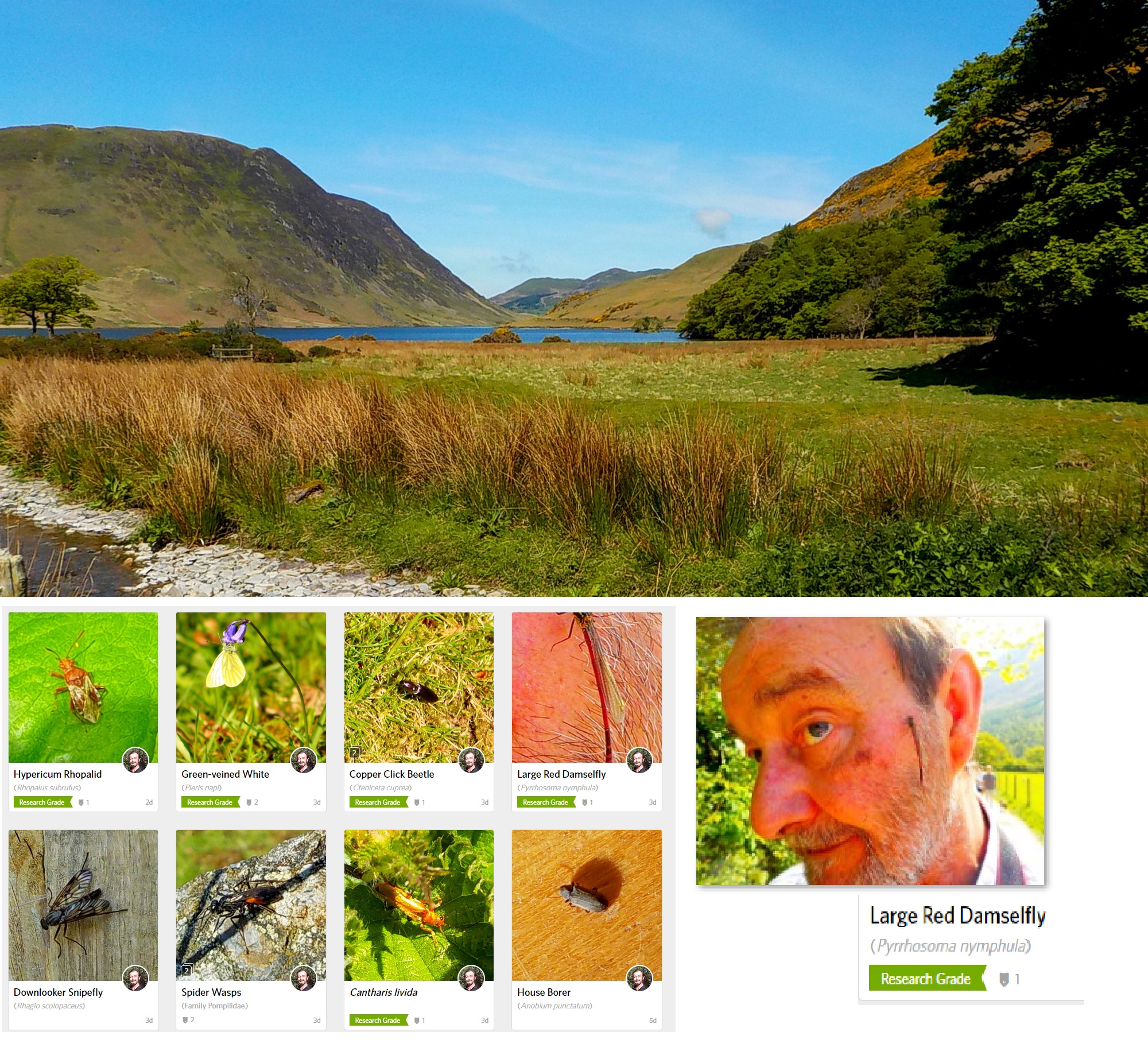
Insects are beginning to appear in greater numbers now. Usually, insects are relatively easy to photograph, but when they decide to sunbathe on your face, it can be a bit problematic! We also have our first True Bug of the year. True Bugs are a distinct order of insects, the Heteroptera (as opposed to the generic term bug that can apply to any creepy-crawly). This one is an Hypericum Rhopalid, so called because it is a member of the Rhopalidae family of scentless plant bugs, and it feeds primarily on Hypericums, or St. John's Wort. Here, the wort still identifies it as a medicinal plant, but it doesn't cure you of overbearing saintliness, it is merely that the flowers are traditionally collected around St. John's day on the 24th June. It is, in fact, a natural antidepressant, backed up by medical research.


We've now reached the edge of Crummock Water, so we'll turn back and make our way through the woods, back to Buttermere. Oh look, a Roe Deer. Given the general decline in British wildlife over the last century or so, it's nice to talk about a success story. In the early part of the twentieth century, Roe Deer were pretty much constrained to Scotland and up here in the Lake District. This population has spread south and east, and met up with reintroduced animals in the south of the country which have pushed northwards. They are still uncommon in Wales, but they're getting there.


And here we are, back at Buttermere, where the shallows are positively teeming with minnows. This shoaling behaviour is a defence mechanism against predation. They are only small fish so it pays them to forage in a group. If a predator approaches, some of the braver minnows will go to assess the danger and, providing they come back, will release a chemical which stimulates the shoal to bunch up. Basically it is a fear chemical, and individuals react by trying to get to the centre of the group. Safety in numbers. And now, it's time a spot of lunch. We have sandwiches, crisps, grapes and fizzy pop, but as my beloved has just pointed out, I seem to be a gateau short of a picnic.


Steve's Vintage Collectables. (click to visit)

I was originally going to specialise in old scientific instruments, but that proved to be a bit restrictive (and there was so much more interesting stuff out there). However, I chanced upon a few items at auction last week, and they make ideal Father's Day presents. Better for the planet than buying newly manufactured items. With over 100 items now in stock, at sensible prices, it's worth a look.


Steve's Books (click to visit)


Follow me on Steve's Nature Plus and also on Twitter (@Steve's Nature), Facebook (Steve Daniels),and Instagram (Steve Daniels Cumbria)

Or why not join the 2.5k members of our Naturalists group?


All the best,


Steve


Thursday, 11 May 2023

Up With The Lark


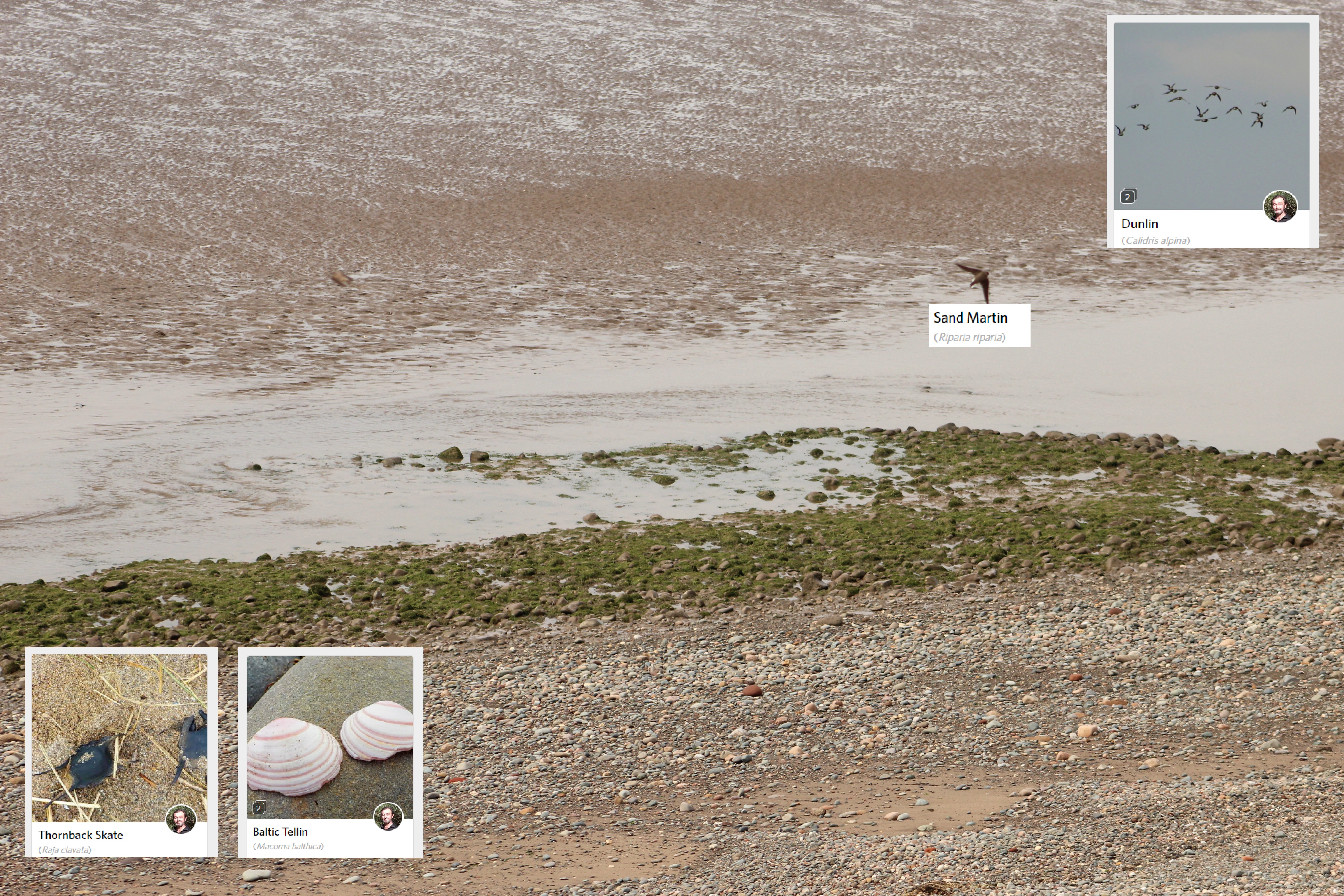
Elvis the campervan is still languishing in a garage down in Morecambe somewhere, so we took the on loan van up to Mawbray on the Solway coast at the weekend. It's a great spot for birding, and we were regaled by Skylarks from morning until night, with click accompaniment from the numerous Stonechats. Down on the beach, the sand martins were nesting, and the Oystercatchers and Sanderlings were having their breakfast. All very calming and peaceful after last weekend's shenanigans.


Flowers are beginning to make more of a show now, with blues and reds appearing among the yellow and whites of April. I'll just draw your attention to the little, inconspicuous plant at top left – Sea Sandwort. This is a marvellous little succulent, packed full of vitamins A and C. Where it grows, it does so profusely. You can cook it as a greens, or add it raw to salads to add a bit of crunch. Pick from the middle of a patch rather than the outside so that it continues to spread along the coast.


Insects continue to be worryingly scarce. Six species was the entire haul for the weekend. The Hawthorn flies had just hatched in considerable numbers, and there were other dipterans about. A Red-tailed bumble bee was looking for a nest site, and a lonely Green-veined White butterfly was flitting around in the grass. All little white butterflies look the same at first glance, but there are quite a few different species with various markings, so they're worth a closer look. A bit of stone flipping revealed a couple of beetles which I've provisionally identified, but have yet to have confirmed. I also turned up a Crane fly larva, looking a bit like a caterpillar. You can tell it isn't because it has no prolegs. You can also tell that it's not a beetle larva as it is soft headed. The Quick Guide to Creepy-Crawlies has two pages of larvae identification keys; one for terrestrial larvae and one for aquatic larvae. A must have book for any budding entomologist.


Back down on the beach and a flight of Dunlin take to the air whilst the Sand martins cavort along the shore line. Quite a few Thornback Skate egg cases lying around (see Shark!) and a Baltic Tellin shell looking very pretty in pink. Most Baltic Tellins are white, but they also come in orange and yellow as well as this rather fetching pink example.


Mawbray is famous for it's Natterjack Toads, so we took a look in the ponds. Plenty of Common Frog tadpoles but no sign of their illustrious cousins unfortunately. Natterjacks are very vocal at night, but we didn't hear any either. In the grass around the ponds St. George's Mushrooms were reasonably prolific (a good edible mushroom) and there were a few Dung Roundheads among the cow pats.


A lovely weekend, rounded off by this beautiful sunset, reflected multiple times across the Solway Firth, with the Scottish hills in the background.


Steve's Vintage Collectables. (click to visit)

I'm still showcasing the royal memorabilia, but this will gradually be replaced as new items get added to the shop. If you're looking for the royal thimbles, they went out to America earlier this week, and the Hillstonia vase sold yesterday evening.


Steve's Books (click to visit)

A good time to buy The Quick Guide to Creepy-Crawlies as the minibeasts start to appear in all their variations.


Follow me on Steve's Nature Plus and also on Twitter (@Steve's Nature), Facebook (Steve Daniels),and Instagram (Steve Daniels Cumbria)

Or why not join the 2.5k members of our Naturalists group?


All the best,


Steve


Thursday, 20 April 2023

Hardknott Pass Roman Fort


As Cumbria has just been split, administratively, back into its original counties of Cumberland and Westmorland, we decided to walk in both of them at the weekend.

We would also have walked into the northernmost part of Lancashire, but we haven't given that bit back to the Lancastrians. A triangular stone pillar marks the spot where the three counties historically met, and we dutifully walked around it. Probably should have done it widdershins, but we didn't think of it at the time. This was possibly because we were indulging in the popular local pastime of walking-with-clouds-in-our-boots. The forecast was for cloudy but dry, but neglected to mention that the cloud level would start at sea level, and we were at around the 400m mark. We also visited the Roman fort at nearby Hardknott pass (which vies for the title of steepest pass in England along with another in Yorkshire). Goodness knows what it was like for the poor Roman soldiers in winter.


Due to the weather, we did not see much in the way of wildlife up there, so yesterday, as the sun was shining, I took a walk up by Tom Rudd beck and back through the cemetary to see what flowers and insects I could find. Florally, whites and yellows are the colours of the month, with primroses taking over from the daffodils, and great sweeps of Wood Anemones competing for space with the still present Lesser Celandines from last month. 

Blues are also beginning to make an appearance with Speedwells and Common Dog Violet now appearing.


The dearth of insect life this spring is worrying, particularly in terms of biodiversity. With the exception of three butterfly species (Peacock, Red Admiral and Orange Tip), everything else was either bees or flies (and many of the flies were bee mimics). That's only 3 of the 20 or so insect orders that live in this country (See p12 of The Quick Guide to Creepy-Crawlies). Where were the beetles? Where were the true bugs?


News From The Old Cornmill


Having deported mouse number one, his mate has now come looking for him. She will be joining him on the old railway line this morning, and the entrance to the kitchen via the gas pipe will be sealed. Meanwhile, Ishbel has a new resident in the garden. A couple of years back, we put a small pond in her back garden. Meet Jeremy, who has now taken possession.


All the best,

Steve


Steve's Vintage Collectables. Now over 100 items in stock


Steve's Books


Follow me on Steve's Nature Plus

and also on Twitter Steve's Nature, Facebook Steve Daniels Naturalistsand Instagram

Steve Daniels Cumbria


Friday, 23 September 2022

Hanging on to Summer


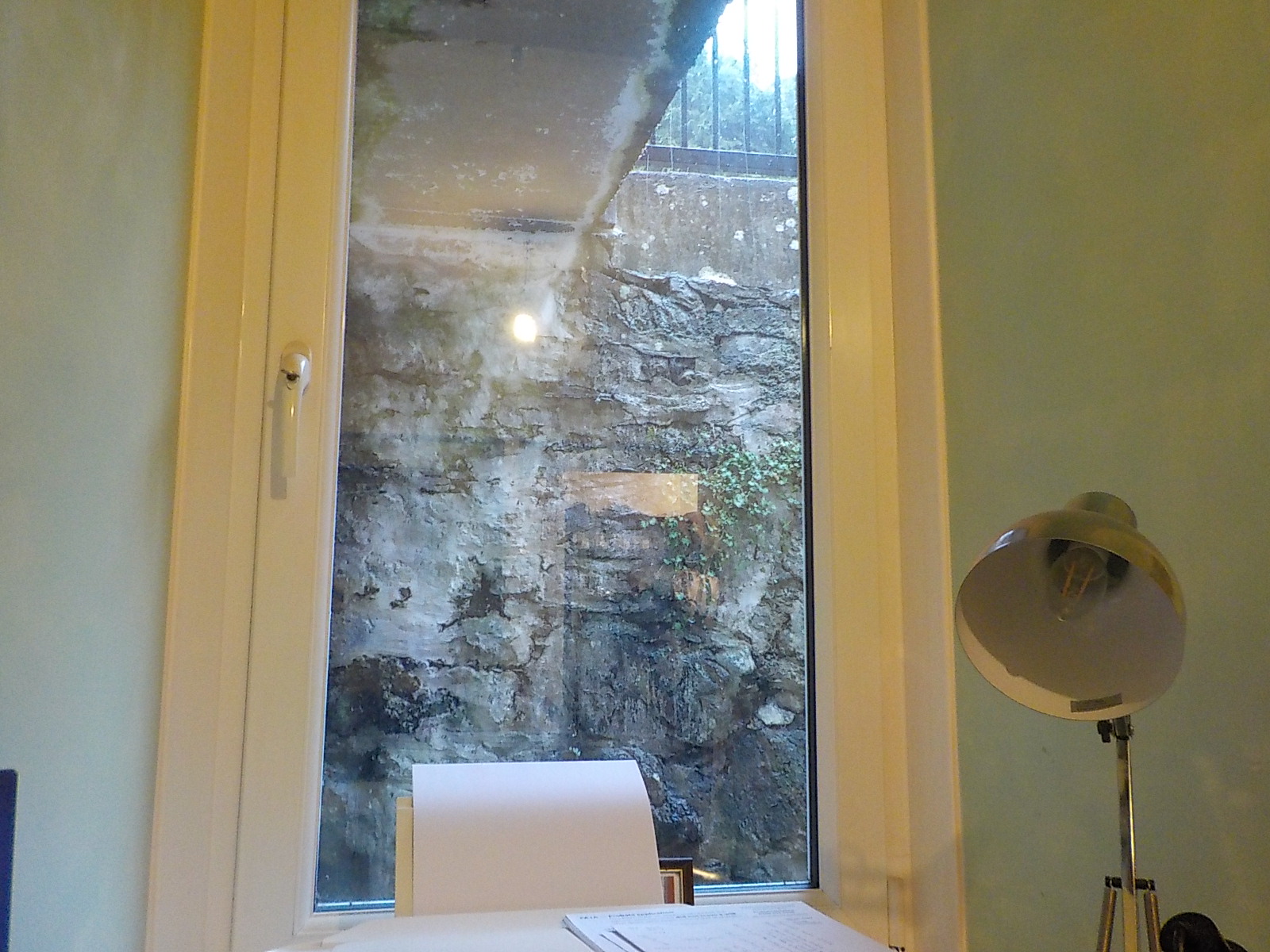
Quite a lot of people suffer from SAD, Seasonal Affected Disorder. It's 8.30 in the morning as I write, it's tipping it down outside, it barely got light an hour ago, but there's something warming and comforting about viewing the outside world from my study window, all snug inside (even if the current energy crisis makes it injudicious to put the heating on!). Astronomically speaking, it is still Summer, at least until tomorrow (Friday 23rd September). The equinox is a late one this year. The date varies because the calendar year is 365 days but the Earth actually takes 365 and a quarter days to travel around the Sun. But although the clocks go back at the end of next week, let us embrace the Autumn, season of mists and mellow fruitfulness as Keats put it, get out and about when we can and snuggle down when we can't.


Autumn is a great time for foraging. The brambles are laden with blackberries, hazelnuts are ripening nicely and the woods are full of delicious fungi. For those of you with gardens, it's harvest time, and one of my favourite places at this time of year is the kitchen. Stuffed marrow is on the menu tonight. Recipe in Steve's Wild Kitchen plus Stuffed Halloween Pumpkins.


Autumn is also a lovely time of year for bird watching. Taking Mattie for a walk, down on Parton beach earlier in the week, turned up a couple of Gull species, a Little Egret, a Redshank and a Curlew, plus a Northern Wheatear. This bird holds the record for the longest migration of any songbird at 9,000 miles each way from Alaska to sub-Saharan Africa and back.


Insects are still about too. In the past week I've seen grasshoppers, leafhoppers, beetles and butterflies and quite a number of the large, furry Fox Moth caterpillars. They are out and about looking for leaf litter in which to hibernate over winter. They will emerge in the Spring as fairly large moths, reddish brown in the case of the male and greyish brown in the female. Both sexes have two creamy lines across their wings.


Tips From Yesteryear


I try to live life simply, here at The Old Corn Mill, and often think back to how my grandparents used to do things (and I'm old enough to be a grandparent myself, so we're going back a bit). They didn't live in the throwaway age and nothing was ever wasted. Potatoes that had sprouted too much for the pot were returned to the earth where one potato produced a handful. The roots cut off spring onions were placed in a pot on the kitchen windowsill to produce another spring onion. It wasn't called recycling then, it was just what people did.


Talking of yesteryear, I'm pleased to say that my little on-line antiques shop, that I started at the beginning of the year, is doing rather well. This is in no small part due to the series of blogs I've been writing called 'Steve's History of Things', which gives some fascinating insights into the history of everyday objects. Here's a list of the series so far, and feel free to browse around the shop: Steve's Vintage Collectables


Steve's History of Things 1


Introduction

Steve's History of Things 2


5 Good Reasons to Buy EPNS


Steve's History of Things 3


Fielding's Musical Tankards

Steve's Hstory of Things 4


Jasperware

Steve's History of Things 5


Blood Pressure Monitors

Steve's History of Things 6


Chodov Porcelain

Steve's History of Things 7


The Pottery Detective


Next week:

Royal memorabilia


Happy Equinox,


Steve


Beetles and Butterflies; spiders and scorpions; woodlice and worms. How do you tell them all apart? To say nothing of crane flies, dragonflies, bee flies and yet more butterflies. Are they all flies? If not, why call them so? If you're fascinated but confused by the beautiful world of the very small, then this is the book for you.


82 pages of information on all aspects of the world of minibeasts, with over 100 photographs and illustrations, this book will help you track down and identify any arthropod, in its adult or juvenile state, anywhere in the world.


See all of my books at author.to/SteveDaniels


Follow me on Steve's Nature Plus

and also on


Steve's Nature


Steve Daniels Naturalists


Steve Daniels Cumbria


Recent Posts